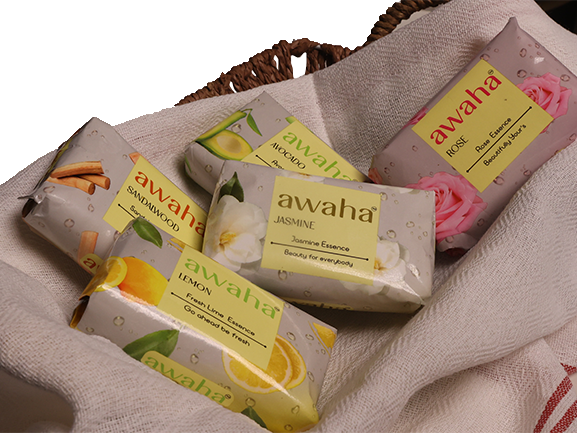
Eco Friendly Soap Bars
In today’s world where the call for sustainability is louder than ever, everyday decisions with from what we buy to what we toss—have enormous ripple effects. One of the often-overlooked yet impactful areas is our cleansing routine. Enter the world of eco friendly soap bars. By choosing these over typical plastic-boxed, mass-produced soaps, we make a clear statement: we care about the planet as much as we care about ourselves.
When you purchase offerings like those from Awaha, you’re not just buying a bar of soap—you are supporting a movement. You are saying yes to fragrances drawn from nature, yes to packaging that won’t end up in landfills, and yes to ingredients that respect both your skin and the environment.
Why Choose Eco Friendly Soap Bars?
Our skin is the largest organ of the human body, and what we apply to it matters. Conventional commercial soaps often include synthetic fragrance, harsh detergents, parabens, and are packaged in plastics or laminated packs that cannot be recycled easily. Eco friendly soap bars, on the other hand,:
Are formulated with gentle, plant-based ingredients.
Often avoid palm oil, or if it’s used those products rely on sustainably sourced suppliers.
Come in minimal, compostable or recyclable packaging.
Are produced with the environment in mind—from sourcing to manufacturing to supply chains.
When it comes to your daily routine, changing one item like your soap can be a simple yet powerful step. The impact multiplies when many individuals choose mindfully.
How Awaha Champions Sustainability
At Awaha, the full focus is on crafting soap bars that reflect responsible living. Their commitment to quality and sustainability highlights key principles:
Clean, transparent ingredient lists.
Ethical sourcing of botanicals and oils.
Packaging choices that aim to reduce waste and environmental footprint.
Supporting local communities and small-scale production where possible.
By purchasing from Awaha, you’re encouraging a brand ecosystem that places purpose alongside profit. It’s a choice that blends self-care with planet-care.
Understanding What Makes a Soap Bar Truly Eco
Ingredient Transparency
A truly eco soap lists oils like coconut, olive, shea butter, essential oils, botanicals—not dazzling synthetic fragrance or “parfum” with undisclosed chemicals.
Packaging That Counts
This means minimal plastics, or better yet, zero plastic. Think kraft paper, compostable wraps, cardboard, or reusable tins. One key sign is if a soap is labelled plastic-free and the brand talks about its end-of-life footprint.
Manufacturing Footprint
Is the brand using low-waste manufacturing? Are they mindful of water usage, energy consumption, or reuse of by-products? It may not always be obvious—but small brands like Awaha often share this story.
End-of-Life Considerations
When you finish using the soap, what happens to the packaging? Does it biodegrade or get recycled? Does the soap itself produce a minimal travel-waste?
Bringing all of these together defines what “eco friendly soap bars” should represent in today’s consumer space.
The Benefits of Switching to Eco Friendly Soap Bars
Healthier Skin
Fewer synthetic irritants means fewer chances of allergic reactions or dryness. Plant oils and butters often provide better nourishment.
Reduced Plastic Waste
One bar in minimal packaging vs. dozens of plastic-boxed or bottled soaps. The difference adds up fast.
Lower Carbon Footprint
Sustainable sourcing, minimal packaging, and local manufacturing all contribute to a smaller environmental impact.
Support for Ethical Brands
Choosing eco alteatives often means putting your money behind ethical sourcing, fair labour practices, and smaller supply chains.
Encouraging Mindful Consumption
Once you consider the soap you use, you often begin to question other purchases—leading to a cascade of more sustainable decisions.
How to Select the Right Eco Friendly Soap Bars for You
When browsing options, keep these factors in mind:
Ingredients list: Is it short and recognizable? Are there essential oils or natural scent sources instead of “fragrance”?
Certifications: While certifications aren’t everything, they can indicate third-party validation (organic, cruelty-free, palm-oil free, etc.).
Packaging: Can it be recycled? Is it plastic-free?
Brand story: Does the brand talk about sourcing, manufacturing, and waste? Transparency matters.
Skin needs: Are you looking for scent-free, for dry skin, oily skin, or fragrance-rich? A good eco soap should address your skin type.
Longevity and performance: Some bars last longer, lather better, or cleanse more effectively than others. Try reading user reviews.
By holding brands to these standards, you get soap bars that feel good on your skin and good in your conscience.
The Environmental Impact of Conventional Soap vs Eco Soap
Conventional soaps often come in plastic wrap or bottles, require heavy processing, and include synthetic additives that may not break down easily. Contrast that with eco friendly soap bars:
Packaging waste: Bar soaps in paper/fibre use far less packaging than bottled liquid soaps.
Wastewater burden: Better formulations reduce environmental impact of rinse-off.
Chemical load: Plant-based, biodegradable ingredients are less harmful once they enter waterways.
Supply chain transparency: Smaller brands often have shorter, kinder supply chains.
When we accumulate all of these effects, switching to eco friendly soap bars becomes more than just a skincare choice—it becomes an environmental statement.
Making the Transition: Practical Tips
Start with one bar: Replace one bottled body wash or liquid soap with an eco bar.
Find what works: Try different formulas for body, face or even hair (if the brand supports multi-use).
Use a soap dish: Bars last longer if they dry between uses and aren’t sitting in water.
Store packaging until done: Reuse the paper/foil wrap to transport soap when traveling, or compost if possible.
Involve the household: Tu it into a zero-waste challenge: how many plastic items can you replace this month?
Spread the word: Share your favourite eco friendly soap bars with friends/family; word-of-mouth supports small brands like Awaha.
Spotlight on Popular Ingredients in Eco Friendly Soap Bars
Here’s breakdown of some star ingredients you might find in a top-notch eco bar:
Coconut oil: Provides a rich lather and cleansing effect, yet gentle when balanced with butters.
Olive oil: Nourishes the skin and adds milder cleansing power; common in high-quality bars.
Shea butter / cocoa butter: Adds moisturising properties; great for dry or rough skin.
Essential oils: For scent, not synthetic fragrance. Examples: lavender, tea tree, eucalyptus, citrus.
Botanical extracts: Aloe vera, turmeric, neem, herbal infusions—these can add functional benefits.
Sea clay / activated charcoal / oats: For exfoliation or oil-control bars.
Natural colourants: Indigo, spirulina, beet powder, etc, instead of synthetic dyes.
When you select a bar with these kinds of ingredients, you’re effectively choosing a cleaner, greener soap experience.
How to Use and Care for Your Eco Friendly Soap Bars
When it arrives, open the package and keep the bar in the wrap until use (some bars incorporate minimal wrapping for hygiene).
Use a soap dish with draining holes or slats so the bar doesn’t sit in water. This prolongs life.
After use, rinse and leave it to dry.
If travelling, use a small tin or cloth bag to keep the bar separate and easy to pack.
If the bar wears down, you can often cut a large bar into halves or quarters to make it last even longer.
At end of life, if packaging is compostable, discard appropriately. If not, recycle or reuse.
These small habits amplify the eco benefits of an already mindful purchase.
Making It Personal: Your Jouey with Eco Friendly Soap Bars
When you decide to make the swap, it becomes about more than a cleaning product—it becomes part of your lifestyle narrative. You might find:
You feel more aligned with your values every time you lather up.
You find satisfaction in minimal packaging and seeing less plastic in your bathroom bin.
You inspire someone else: a friend, sibling, or colleague might ask what you’re using.
You explore other sustainable swaps—perhaps your toothpaste, your lotion, your household cleaners.
Brands like Awaha make this jouey accessible. Their thoughtfully created eco friendly soap bars offer you a reliable, sustainable choice. You become part of a community that cares—and that collective impact matters.
The Larger Impact: From Home to Planet
Your choice to use eco friendly soap bars has reverberations beyond your bathroom:
Fewer plastic bottles in landfills and oceans.
Reduced energy and water use in manufacturing (when done well).
Less chemical load in wastewater streams.
Supporting ethical brands that invest in better practices.
Encouraging other companies to follow suit.
When multiplied across households, these shifts accumulate into meaningful change.
How to Incorporate Soap Bars Into Your Daily Routine
Let’s map a simple day: from moing to night, how this fits.
Moing: Use an invigorating citrus-infused bar from Awaha for a fresh start. After showering, the minimal packaging reminds you you’ve already made a sustainable choice.
Midday: If you wash hands frequently, switch to a smaller travel-size eco bar or break off a piece from your full bar.
Evening: Choose a more soothing, moisturising bar—perhaps oatmeal or shea butter based—that treats your skin kindly before bed.
Weekend self-care: Use an exfoliating or charcoal bar; appreciate the texture, the natural scents, the slow, mindful lather.
By giving each part of your day a purpose-driven purchase, the act of cleansing becomes a mindful ritual.
The Future of Soap: Trends & Innovations in Eco Friendly Bars
Refill or subscription models: Brands offering refill packs or minimal shipments.
Multi-use bars: One bar that works for body, face, hair—reducing variety and waste.
Zero-waste packaging: Compostable wrappers, paper embedded with seeds, tins designed to be reused.
Ethical sourcing of botanicals: Fair-trade ingredients, regenerative agriculture emphasis.
Upcycled ingredients: Using by-products from other industries (e.g., spent coffee grounds for exfoliating bars).
Localized manufacturing: Reducing transport footprint by making bars closer to end user.
When you pick eco friendly soap bars now, you’re aligning with what the industry is moving toward—so you aren’t just making a choice, you’re being ahead of the curve.
Why Supporting Smaller Brands Matters
Larger soap companies often rely on economies of scale, heavy packaging, global supply chains, and sometimes opaque sourcing. Smaller brands like Awaha can:
Be more nimble in ingredient sourcing.
Prioritise transparency and ethical practices.
Offer novelty and authenticity in small batch production.
Create closer relationships with customers and communities.
By choosing a brand that stands for more than profit, you help amplify values such as faiess, sustainability, and thoughtful design.
A Step-by-Step Guide: Switching to Eco Friendly Soap Bars
Audit your current bathroom: note down all plastics, bottled soaps, and where waste accumulates.
Choose one area (body wash, hand soap, shampoo) and pick an eco friendly bar to replace it.
Set up a soap dish and drying rack for your new bar.
Use it for 2–3 weeks and monitor: how is your skin? How does it fit your routine?
Dispose or recycle the packaging of the old product responsibly.
Gradually replace other items (e.g., hand soap bottles, travel bottles) with solid alteatives.
Share your jouey—on social media, with friends, with family—because spreading the idea matters.
Explore variants: scented, unscented, exfoliating, for sensitive skin—choose what fits your needs.
Maintain a sustainable cycle: when you finish a bar, break a new one earlier, store well, and reuse packaging or compost it if possible.
Each small action builds a habit and a mindset shift toward sustainable living.
How to Talk About Eco Friendly Soap Bars with Others
When friends or family ask “What’s different about your soap?”, here are simple ways to explain:
“It’s solid instead of liquid, so less plastic in the bathroom.”
“It uses simple plant-based oils instead of harsh detergents.”
“The brand emphasises sustainability—from ingredient to packaging.”
“Switching bars is one easy step toward reducing waste.”
By having these phrases ready, you become an advocate not just for hygiene—but for environmental impact.
The Role of Certification and Labeling
While certifications shouldn’t be the only focus, they help. Look for labels such as:
Cruelty–free, vegan.
Organic (though many good bars will be partly organic).
Sustainable palm oil or palm-free.
Recyclable or compostable packaging.
Local manufacturing or small batch craft brands.
Understanding what each label means helps you choose more confidently when browsing eco friendly soap bars.
Budgeting for Eco Living
Even if the bar costs slightly more, you can balance that by:
Reducing other disposable purchases.
Choosing multi-use bars so you buy less total items.
Buying from direct-to-consumer brands (like Awaha), often cutting middle-men.
Noting the savings in plastic waste disposal and long-term brand loyalty.
Think of it as investing in quality and durability, rather than just lowering cost.
Conclusion
In sum, switching to eco friendly soap bars is more than a minute change—it’s a stepping stone to conscious living. You uphold your skin’s health, support ethical brands, reduce waste, and join a community of mindful consumers.
Brands like Awaha embody this intersection of purpose and practice—making it easy to choose well. So next time you step into your bathroom and reach for the soap, ask: is this just cleaning, or is it contributing to something bigger?
Make your choice. Swap one bar. Feel the lather. Appreciate the differences. And appreciate that your simple decision echoes outward.
Here’s to cleaner routines, greener habits, and a richer future—for you and our planet.
 leggings with mesh panels
1 × $940.00
leggings with mesh panels
1 × $940.00
 Summer dress with belt
1 × $940.00
Summer dress with belt
1 × $940.00
 Floral print sundress
1 × $940.00
Floral print sundress
1 × $940.00
 Sheath Gown Red Colors
1 × $940.00
Sheath Gown Red Colors
1 × $940.00


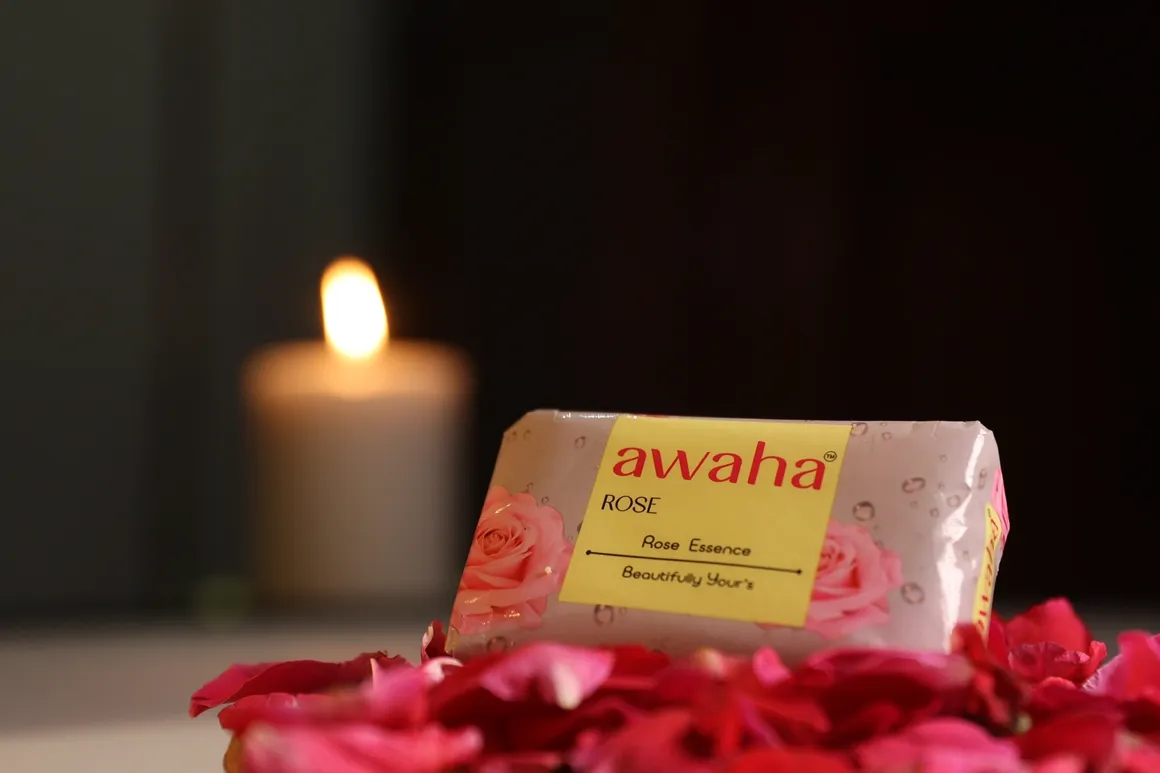 Rose
Rose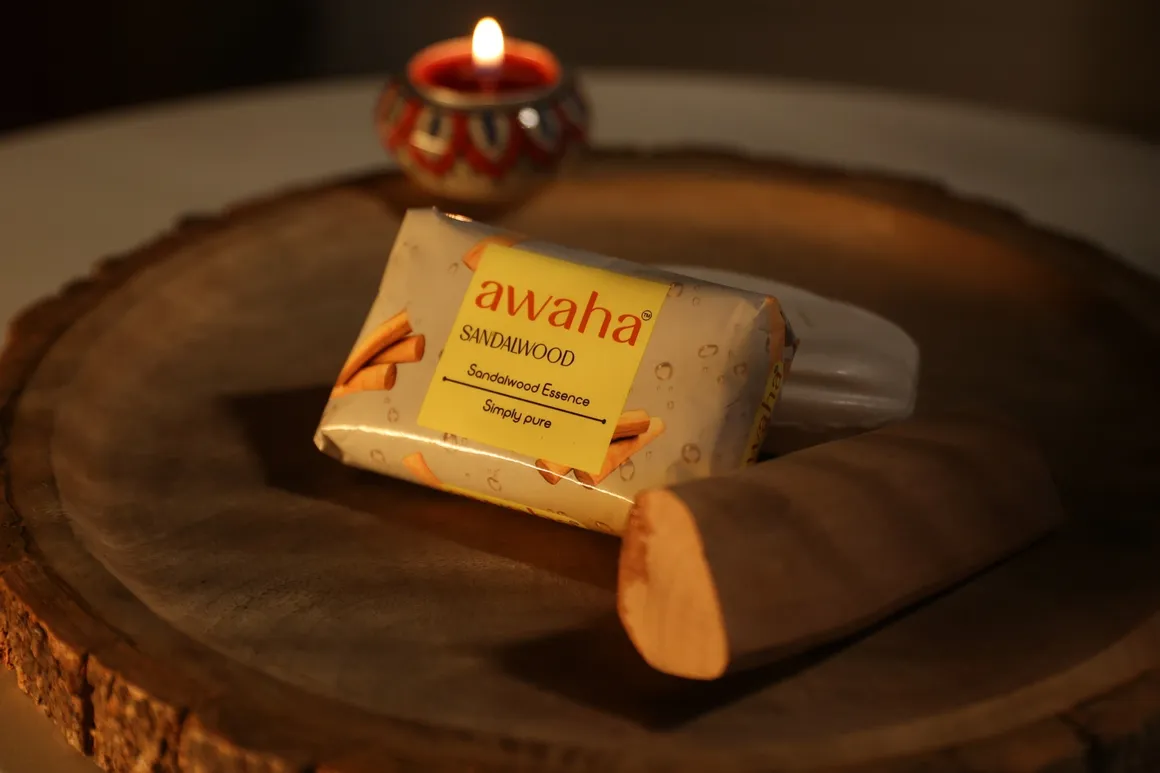 Sandalwood
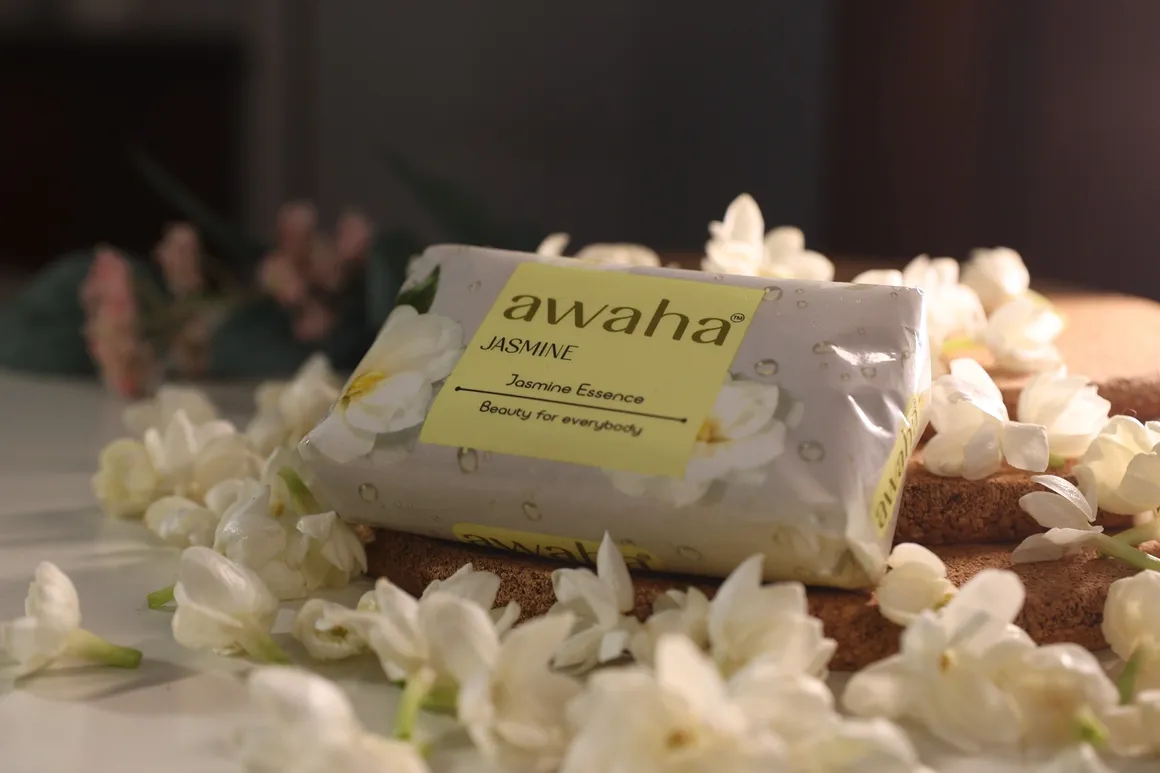 Jasmin
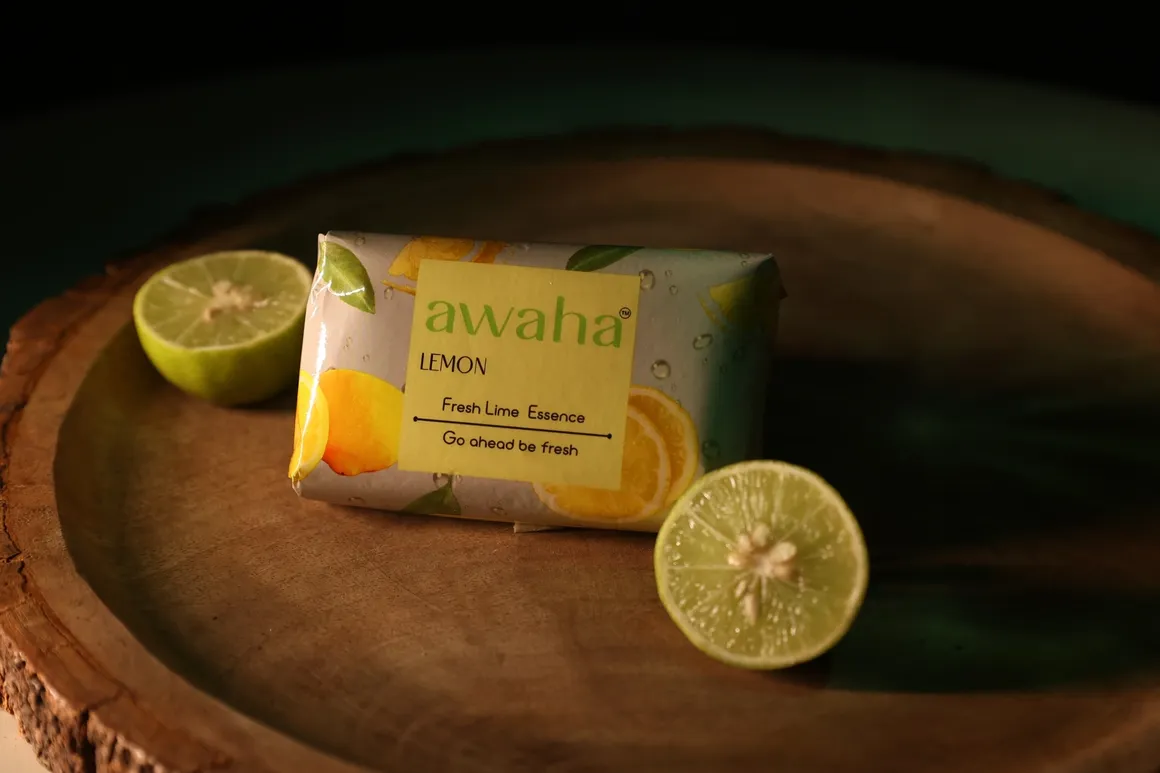 Fresh Lemon
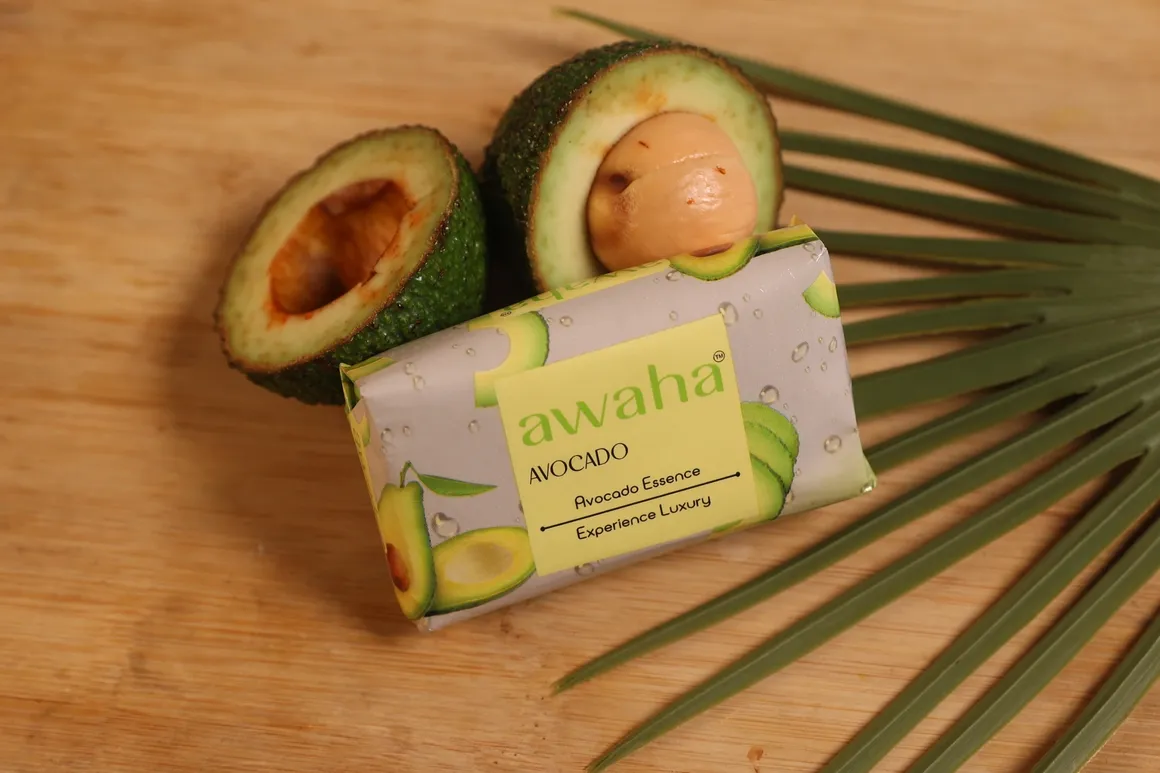 Avocado
 Rose
Rose Sandalwood
 Jasmin
 Fresh Lemon
 Avocado